
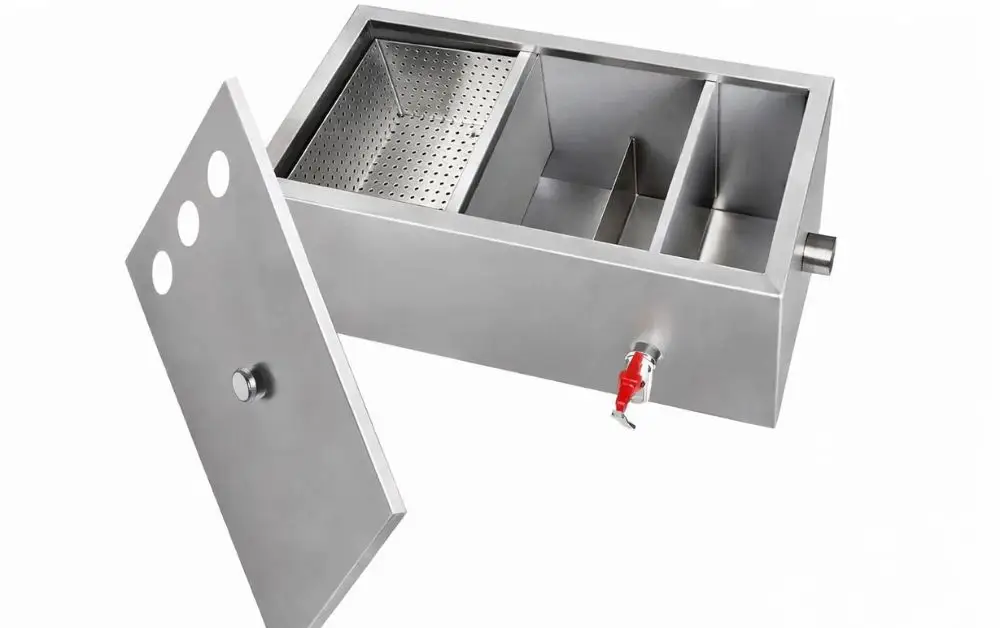
The rapidly changing food service industry of today requires commercial kitchen facilities to run in an efficient manner as well as satisfy hygienic and environmental requirements. Whether it’s restaurants, hotels, catering outlets, or food courts, effective waste disposal is an integral process of their functioning. Among these, the grease trap remains an indispensable, yet commonly neglected, aspect of them. Not installing one in jurisdictions where stringent norms and policies are in place makes installing a Grease trap in UAE mandatory and imperative.
Understanding What a Grease Trap Does
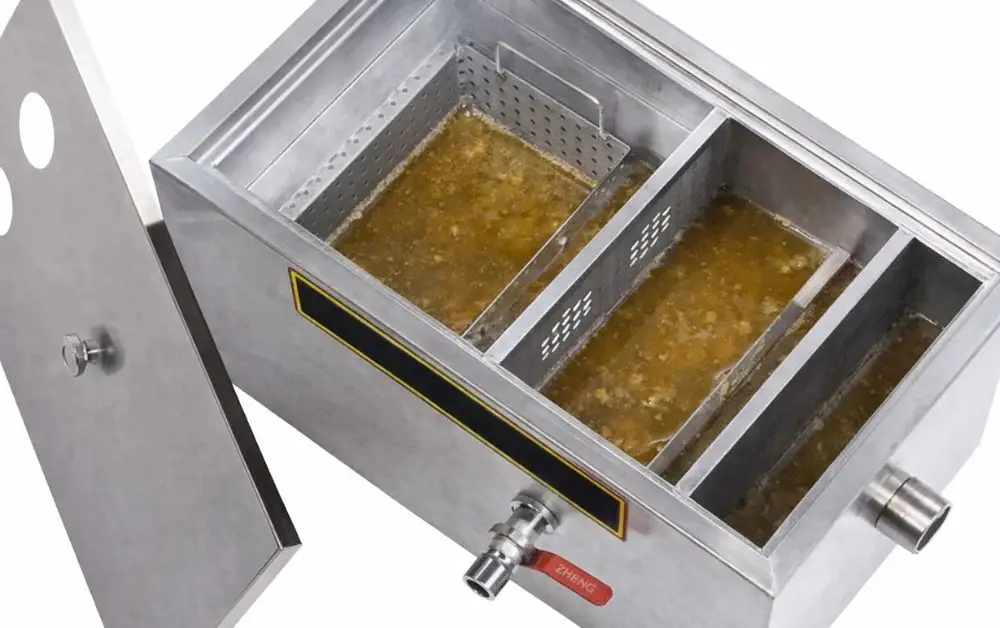
A grease trap, also known as a grease interceptor, is plumbing equipment with the sole responsibility of separating fat, oil, and grease that tends to escape into the wastewater as a result of cooking and washing activities. As wastewater passes through the trap, the grease forms the top layer, followed by the settled particles on the bottom, and the clear water exits the trap and flows into the drainage system without posing any damage to the pipelines, as it usually hardens and creates clogs.
Commercial kitchens produce substantially more grease compared to home kitchens. Grease traps become a necessity in commercial kitchens. If not present in commercial kitchens, grease accumulation causes the plumbing system to malfunction.
Preventing Costly Drain Blockages
One of the reasons why grease traps are essential in every commercial kitchen is to safeguard the plumbing system. Grease can accumulate within pipes, causing them to restrict the flow of water, and this eventually leads to a pipe blockage. This is always accompanied by unpleasant smells and sewage rising into the kitchen.
Emergency plumbing repairs are not only costly but can cause a kitchen to shut down temporarily. Having a grease trap that is proportionate to the size of the kitchen and well-maintained prevents these problems from existing.
Meeting UAE Regulations and Compliance Standards
The UAE has obvious regulations when it comes to waste management practices and kitchen hygiene. Local authorities in the UAE mandate eateries to have grease traps to ensure that fat and oil do not flow into the public sewage systems. Failure to do so results in a hefty fine or warning and, in extreme cases, a ban on business.
Implementing a grease trap in the UAE makes it easy for the restaurants to implement the above norms. It shows the restaurants are implementing the UAE environmental acts as they are supposed to.
Maintaining a Clean and Hygienic Kitchen
Hygiene is not to be compromised in commercial kitchens. Greases accumulated in drains lead to breeding spots for bacteria, pests, and odor. All these can have negative impacts on food safety, working conditions, and consumer perceptions.
Grease traps considerably minimize organic drainage, which is an essential aspect in maintaining a cleaner and healthier kitchen environment. This is even more important when the kitchen is being inspected for health and hygiene standards.
Environmental Protection and Sustainability
Inappropriate disposal of grease has severe implications for the environment. Grease that ends up in sewers can cause blockage in municipal piping and thereby affect sewage treatment systems, leading to pollution and increased costs of treatment in the future.
Grease traps ensure the protection of the environment through the entrapment of grease before reaching public systems. Grease traps facilitate environmentally sustainable waste management practices, in line with the increased concern of the UAE regarding environmental responsibility.
Long-Term Cost Efficiency
Even if kitchen owners perceive grease traps as additional costs, the truth is that grease traps are investments that can save them a lot of money in the long run. This will include preventing pipe damage, not spending on emergency maintenance, and not experiencing downtime.
Further, adhering to the regulation means that companies or organizations do not incur penalties and fines. Cleaning grease traps helps organizations achieve optimal performance and prevents unexpected costs of operations.
Enhancing Kitchen Design and Workflow
Modern commercial kitchens are designed to be more efficient, safe, and effortless to clean. Grease traps occupy a significant position within the entire system. There are grease traps with varying sizes and models that can be perfectly blended with the whole layout, whether installed below the sinks or external interceptors.
Strategically installed grease traps not only ensure easier accessibility during the cleaning process, thereby promoting a smooth kitchen operation.
Also Read – What Are the Common Signs That Your Grease Trap Needs Maintenance?
Choosing Reliable Equipment and Expertise
Grease trap effectiveness relies significantly on the grease trap quality and its appropriateness to the level of operations in the kitchen. This is where quality manufacturers come in. Airody, which tops the list of ventilation product manufacturers in the Middle East, is one of those manufacturers that provides robust and effective solutions for commercial kitchens.
Airody has an in-depth understanding of the needs and requirements in this area, and this helps the company provide grease management solutions that are not only able to perform but are equally maintenance-friendly. Airody’s expertise is helpful in selecting the right kitchen equipment suitable for the needs.
Conclusion
The functionality of a commercial kitchen is based on more than culinary skills. It depends on proper planning and investment in the infrastructure for efficiency, hygiene, and legal standing. Grease Trap Installation in the UAE is a basic necessity for a commercial kitchen for the avoidance of plumbing problems, cleanliness, environmental conservation, and legal standing. Organizations, thanks to reputable firms like Airody, can now successfully design their kitchens for safety, legal, and long-term standing.