
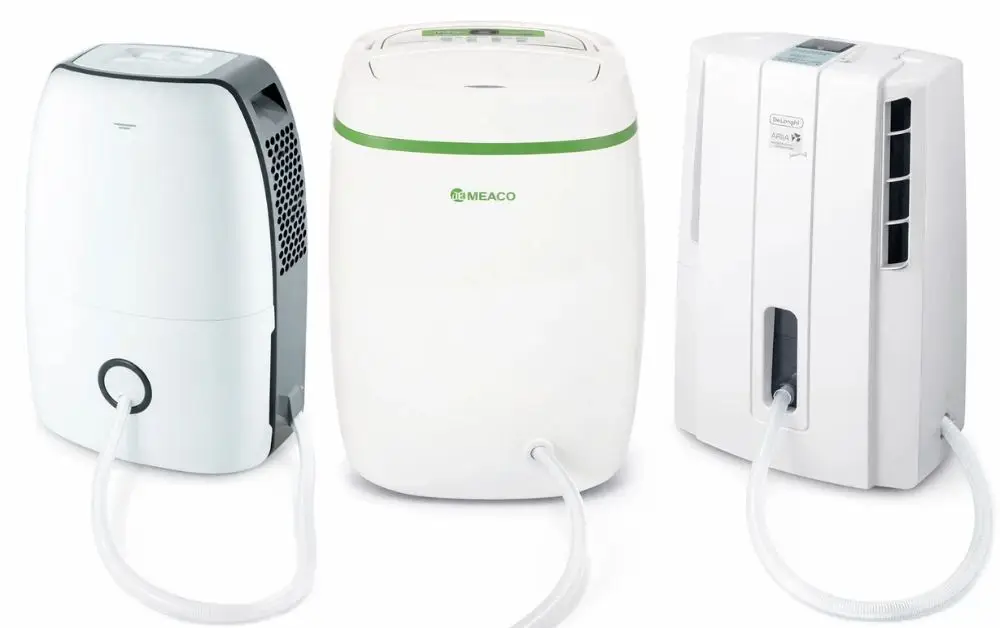
Balanced indoor air is very much required for comfort and health in areas where high moisture is recorded. This holds exceptionally true in the Middle East, where humidity is a significant cause for concern in residential, commercial, and industrial spaces. Dehumidifiers in UAE are a necessity in controlling excess moisture to prevent interior damage and its associated health hazards. Before going into how these systems work, it is essential to focus first on Airody, considered one of the leading manufacturers of ventilation products in the Middle East, with a rich experience in offering effective air management solutions suited to regional climatic conditions.
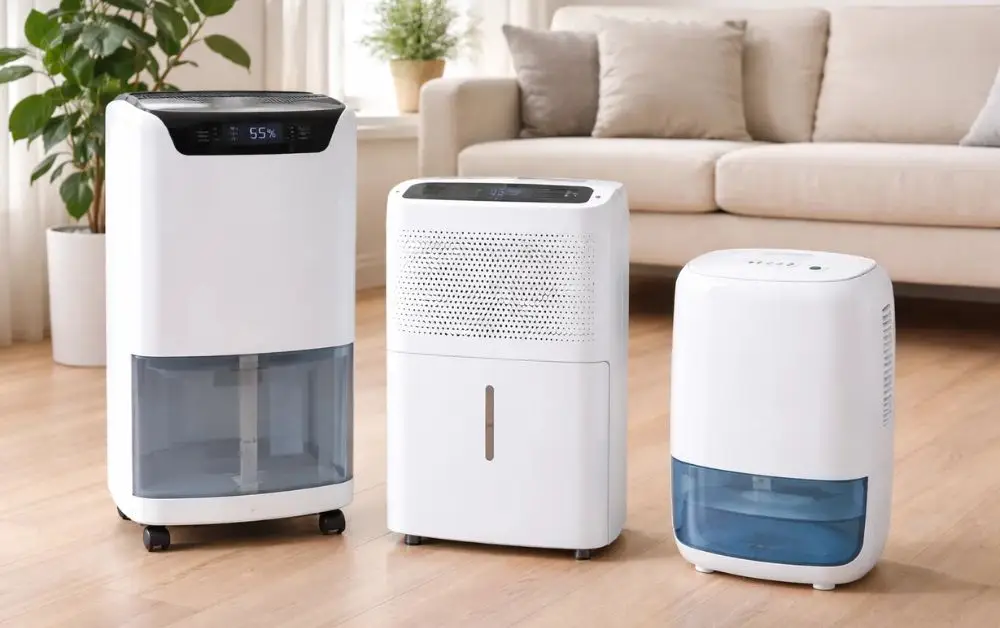
What is a dehumidifier?
A dehumidifier is considered an electronic device that removes moisture from the air. Humidity is a measure of the amount of water vapor in the air. When it is outside these acceptable ranges, you may experience discomfort, chalky staining, condensation, and even mold growth accumulation and long-term damage to the building structure. The Humidity It Right Without dehumidifiers, and other indoor humidity levels make it much easier to create consistent conditions inside, with factors like moisture pulled out from the air (and keeping it in a range of 40% to 60%).
These systems are widely used in homes, offices, hospitals, hotels, warehouses, kitchens, and industrial establishments where moisture control is essential. By reducing humidity, dehumidifiers help improve air quality, comfort, and preservation of property and equipment.
Why is humidity control so important?
Humidity itched not only people’s nerves but also the buildings that encompass them. This could make indoor spaces warmer and stickier, even when air-conditioning is on and running. It creates an ideal setting for mold, mildew, and bacteria to grow, which impairs indoor air quality.
From a structural point of view, prolonged humidity can destroy walls, ceilings, wooden furniture, flooring, and electrical appliances. In the places of commercial and industrial activities, uncontrolled moisture may affect stored goods, machinery, sensitive electronics, and other accessories. This makes humidity control an essential aspect of any effective building management.
How does a dehumidifier work?
Although there are different types, the majority of dehumidifiers follow an efficient and straightforward principle in their operation: intake of humid air, withdrawal of moisture, and re-emission of drier air into the space. A step-by-step explanation of how it works is provided below.
Air Intake
This will be achieved with the built-in fan, which draws in warm, humid air from the surrounding environment into the unit. Continuous air circulation is assured for effective moisture extraction.
Cooling and Condensation
Inside, the air passes over cold coils. Once the air cools, its dew point is reached, and water vapor condenses into liquid droplets. This is the same effect that occurs when moisture forms on a cold surface.
Water Collection
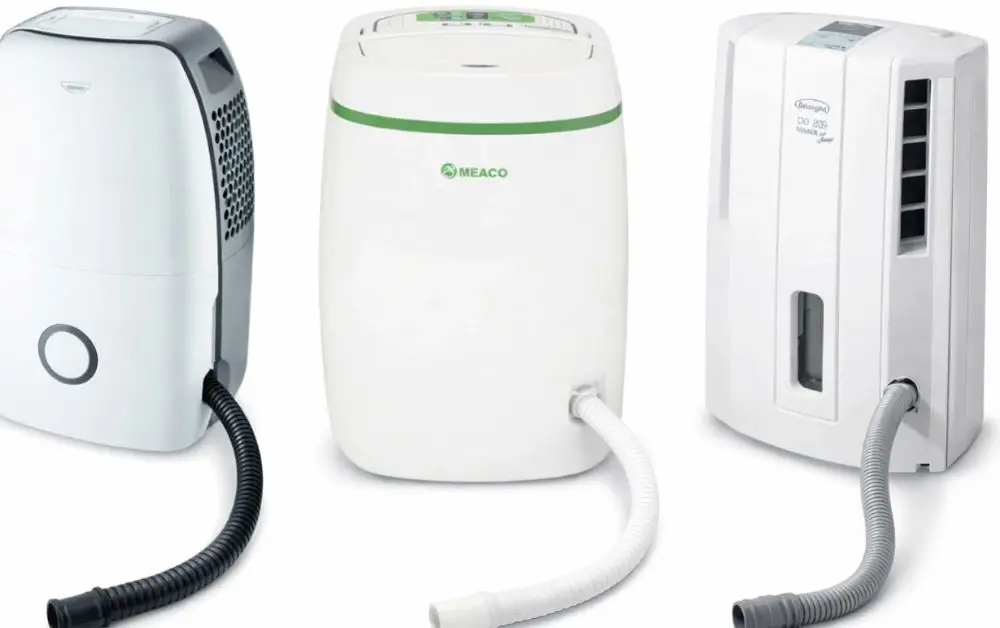
The condensed moisture drips into a collection tank or is directed through a drainage system. Some models of dehumidifiers provide options for continuous drainage, especially optimal for larger areas and commercial usages where emptying would be impractical.
Release of Dry Air
This air, once moisture is removed, is mildly reheated and discharged back into the room. The result is an air with reduced humidity, comfort, and quality of air.
This process is repeated until the ideal humidity is attained and sustained.
Types of Dehumidifiers
Different environments involve the application of varying dehumidification technologies. The most common types include:
Refrigerant dehumidifiers (Compressor)
These are widely used in warm and humid climates. They are efficient for homes, offices, and commercial spaces where the temperatures remain moderate to high.
Desiccant Dehumidifiers
These work by using moisture-absorbing material to eliminate humidity from the air. They work well in cooler environments and are typically seen for industrial or specialized applications.
Benefits of Using a Dehumidifier
Operating a dehumidifier can result in a multitude of long-term benefits:
- Improved Indoor Air Quality: Eliminate allergens like mold spores and dust mites.
- Improved Comfort: A cooler, more agreeable indoor environment
- Property Protection: Prevents water-related damage to furniture, walls, and equipment.
- Health Support: Helps in the reduction of respiratory problems associated with dampness.
In addition, effective humidity control in commercial settings supports compliance with hygiene and safety standards.
Related Blog – 5 Reasons Why Every UAE Home Needs a Dehumidifier
Picking the Right Dehumidifier
In choosing a dehumidifier, certain factors have to be considered: the room area where it is going to be applied, the level of humidification, the type of application, and energy consumption. Additionally significant are noise levels, maintenance requirements, and drainage options.
Working with experienced fitters in ventilation can always ensure the most suitable system for your needs. Airody, being one of the leading manufacturers of ventilation products in the Middle East, offers solutions designed to meet the demands of both residential and commercial environments.
Conclusion
Knowing what a dehumidifier is and how it works paves the way for living or working areas to be healthy, comfortable, and without damage. Dehumidifiers make the air healthier, secure the structural integrity of the house, and render the area more comfortable. Dehumidifiers in the UAE present a practical yet quite rational investment in such a climate. Get trusted solutions from industry-leading names like Airody; rest assured of reliable humidity control tailored to regional conditions and long-term performance needs.