
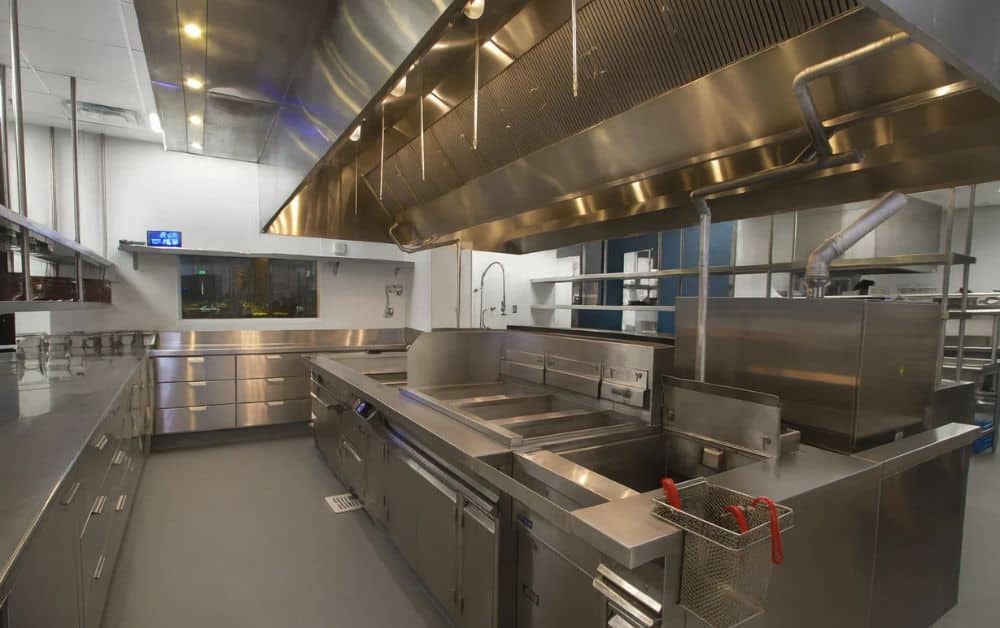
Setting up a restaurant or a catering business involves paying due care to the standards for commercial cooking equipment, especially within regions such as the UAE. Be it a small café or a fully industrial kitchen, compliance with regulations concerning health, safety, sanitation, and ventilation ensures both operational efficiency and the well-being of the staff and customers. If you are sourcing commercial appliances for your kitchen in the UAE, awareness of relevant standards and regulations is non-negotiable.
Why Standards Matter
Operating a commercial kitchen is fraught with many risk factors: contamination, fire hazard, inefficient ventilation, workflow inefficiency, and non-compliance with the law. Without proper standards in place, even the well-meaning restaurateur can suffer fines, shutdown orders, or reputational damage. Regulatory authorities assess everything from materials used in cooking appliances to layout design, ventilation, fire safety, and hygiene. Compliance ensures safe, efficient, and legal operations.
Beyond local codes, international certifications — such as those from NSF (National Sanitation Foundation) — provide guidelines to ensure food‑equipment safety and sanitation. These standards address materials, design, fabrication, and performance for a wide range of kitchen equipment.
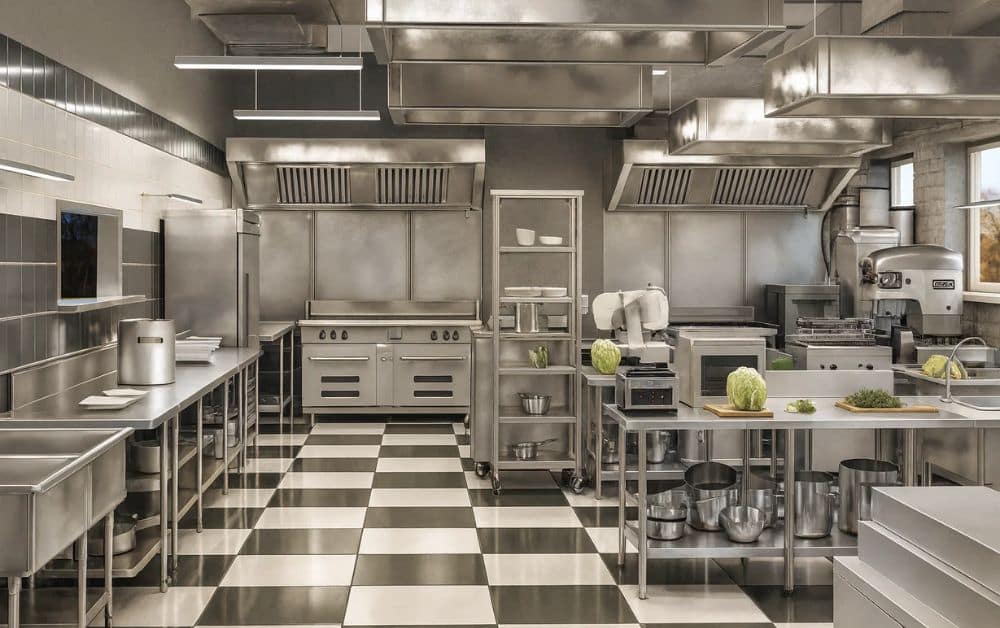
Key Standards and Requirements for Commercial Kitchen Equipment
Here are some of the basic standards and requirements you should know when it comes to selecting and installing commercial cooking equipment:
1. Food‑Grade Materials & Cleanable Surfaces
Equipment should be manufactured from nontoxic, noncorrosive, food-type-oriented materials such as stainless steel or other approved surfaces. They should be resistant to corrosion, smooth, and easy to sanitize. This reduces microbial contamination and ensures long-term durability.
2. Hygienic design and ease of cleaning
Designs should not include hard-to-reach corners or porous materials. Working tables, countertops, storage units, sinks, and preparation surfaces should be designed to be easily taken apart and properly cleaned. This meets food safety requirements and adds to good hygiene practices.
3. Proper Ventilation & Exhaust Systems
One of the most critical aspects is ventilation: cooking generates heat, smoke, grease-laden vapors- all of which must be safely removed to preserve air quality and minimize the risk of fire. All these systems must also meet relevant standards such as NFPA 96 (Standard for Ventilation Control and Fire Protection of Commercial Cooking Operations), which covers hood materials, ductwork, grease filters, clearances, and fire suppression devices.
Added to that, local legislation, for instance, the ones imposed by municipal food safety authorities in the UAE, very often requires periodic inspections and can have its own criteria on ventilation and exhaust systems.
4. Temperature Control & Safe Food Storage
Refrigeration, freezers, and hot‑holding units should hold foods within safe temperature ranges. This equipment needs to have reliable thermostats and well‑documented performance that can be referred to easily. Food is kept within a safe range to avoid spoilage or bacterial growth.
5. Fire Safety & Grease Management
Since many of the cooking operations involve oil and high heat, which may give way to dangerous grease fires—classified under Class F / Class K depending on local/regional classification—there is a need for kitchens to have fire-rated hoods, suppression systems, accessible fire extinguishers, and certified gas/electrical installations. Grease ducts should be designed correctly, be fire-resistant, and cleaned on a regular basis to prevent the accumulation of grease, which may fuel a fire.
6. Layout, Workflow & Ergonomics
Standards also extend to the kitchen’s layout and workflow design: the practical design of a commercial kitchen would consider principles such as logical separation of prep, cooking, storage, and cleaning zones; ease of movement around for staff; ergonomically placed workstations; and optimized space usage. This reduces cross‑contamination, improves operational efficiency, and supports compliance during inspections.
Overview of Considerations for Operation within the UAE
Knowing the local code is essential to operating in the UAE or Gulf region, just like knowing what the international standards are. The UAE Food Code requires strict compliance, which is enforced by regulatory authorities like the municipal food safety department, such as those in Dubai.
Some specific requirements to remember:
- Appliances and work surface: use stainless steel, preferably Grade 304, or Grade 316 in marine/coastal zones.
- Ensure that all ventilation hoods, ductwork, and fire suppression systems meet fire code requirements.
- Keep strict temperature control in refrigeration and hot‑holding units.
- Ensure sanitary drainage, sinks, and hand-washing stations, and proper waste disposal.
- Be prepared for periodic inspections by municipal authorities; documentation of equipment specs, maintenance logs, cleaning protocols, and staff hygiene training is often required.
Role of Ventilation Manufacturers — and Why Choosing the Right Partner Matters
A well-designed ventilation system is arguably the backbone of a safe and compliant commercial kitchen. Poor ventilation not only compromises the air quality but also poses serious fire risks and regulatory non-compliance. That is why it means a lot when you work with a trusted ventilation products manufacturer.
Sourcing ventilation solutions involves seeking out a manufacturer who understands international standards, such as NFPA 96, and local UAE regulations. They should be able to supply certified hoods, grease-duct systems, exhaust fans, fire suppression integration, and provide documentation for municipal approval.
That being said, it is important to recognize such industry leaders as Airody, one of the leading manufacturers of ventilation products in the Middle East region. Airody’s specialty lies in designing ventilation and exhaust systems that meet regional regulations and are perfect for commercial kitchens in the Gulf climate. Its products have been engineered to guarantee safety, durability, ease of maintenance, and complete compliance; hence, Airody would be a fantastic option for anyone setting up a kitchen in the UAE.
What to Check Before You Buy Kitchen Equipment
Before buying or installing any kitchen appliances for a commercial kitchen, mainly if you operate in the UAE, ensure to:
- Verify that the material is food‑grade stainless steel (nontoxic, rust‑resistant).
- Ensure that the equipment has the proper certifications: CE, local conformity, hygiene compliance, among others.
- Confirm that ventilation, exhaust, and fire suppression systems meet NFPA 96 and local fire code requirements.
- Plan kitchen layout thoughtfully: divide zones for preparation, cooking, storage, and cleaning, ensuring good workflow and hygiene.
- Schedule regular maintenance, grease-duct cleaning, and safety inspections.
- Record keeping should be done: cleaning logs, staff hygiene training, temperature logs, and equipment maintenance, required for municipal inspections and audits.

Conclusion
Setting up a compliant, efficient, and safe commercial kitchen isn’t just about buying high-end appliances; it’s about meeting a wide range of standards on hygiene, safety, design, ventilation, fire protection, and workflow. If you intend to operate commercial kitchen appliances in UAE, you should follow both international and UAE-specific codes. In this regard, ventilation systems are of particular concern: inadequate design or failure to comply will inevitably lead to fire risk, poor air quality, and potential shutdowns. Partnering with a reputable ventilation products manufacturer like Airody Trading LLC will help ensure that your kitchen meets all the regulatory requirements while delivering top performance. Pay attention to the right materials, certified equipment, well-planned layout, sanitation protocols, and proper ventilation to install a safe, efficient, compliant kitchen ready for long-term success.