
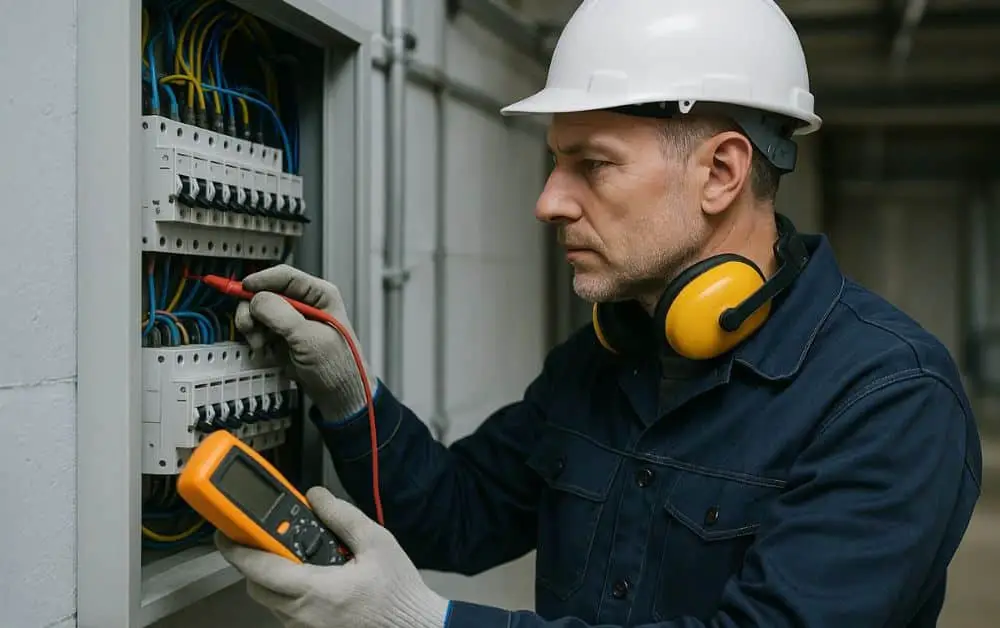
Electromechanical systems are at the core of modern infrastructure, seamlessly combining electrical and mechanical processes to power the everyday functions of buildings, industries, and even transportation systems. These systems are not only vital for efficiency but also for safety and sustainability. With rapid urban development, the demand for advanced solutions has increased, making electromechanical companies in UAE key players in shaping the region’s infrastructure.
In this blog, we’ll break down what electromechanical systems are, how they work, and why they are crucial in today’s world.
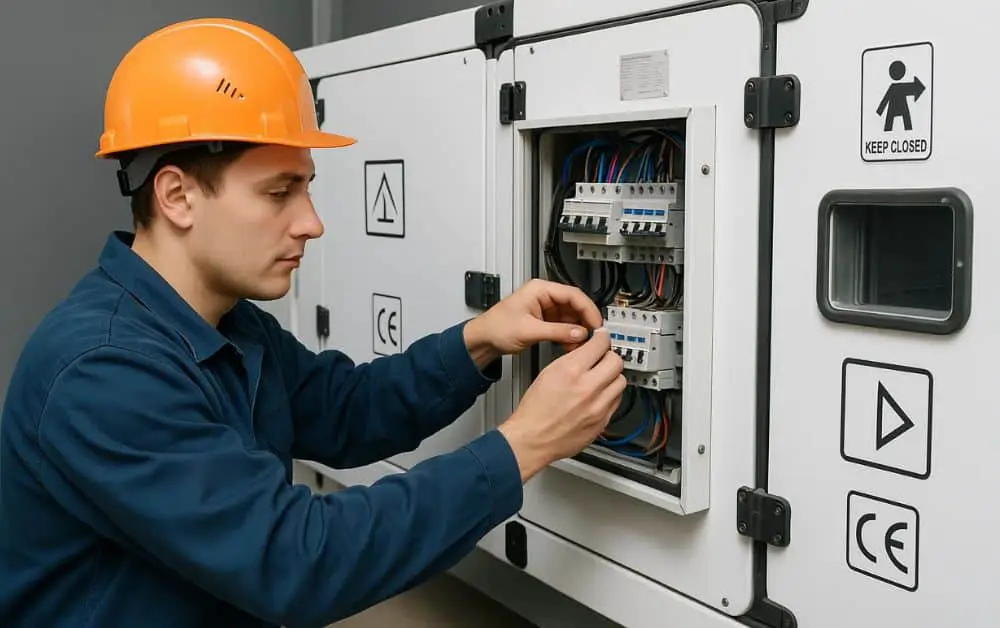
What Are Electromechanical Systems?
Electromechanical systems are systems that use both electrical energy and mechanical components to perform a function. They consist of devices that convert electrical signals into mechanical movement, or vice versa. In simple terms, they act as a bridge between electrical engineering and mechanical engineering.
Some common examples include:
- Elevators and escalators in commercial buildings.
- HVAC (heating, ventilation, and air conditioning) systems.
- Automated doors in malls and offices.
- Industrial robots and conveyor belts.
- Water pumping and drainage systems.
All these applications demonstrate how electromechanical systems simplify complex processes by integrating both mechanical motion and electrical power.
How Do Electromechanical Systems Work?
The functioning of an electromechanical system can be understood through three main steps:
1. Input
The system starts with electrical energy supplied through wiring or circuits. Sensors, switches, or control devices determine how much energy is needed and when.
2. Conversion
This electrical input is then converted into mechanical energy. For example, motors transform electrical power into rotational or linear motion.
3. Output
Finally, the mechanical motion produces the desired outcome—whether it’s circulating cool air in a building, lifting an elevator, or running a factory assembly line.
By combining these processes, electromechanical systems ensure efficiency, safety, and automation in daily life.
Key Components of Electromechanical Systems
To understand how they work, let’s look at the primary components:
- Motors: Convert electrical energy into mechanical energy.
- Actuators: Carry out movements like pushing, pulling, or rotating.
- Sensors: Collect data (temperature, pressure, or motion) to adjust system performance.
- Controllers: Regulate the input and output to ensure efficiency and safety.
- Power Supply Units: Provide consistent electrical energy to the system.
These components work together, enabling smooth functioning across various sectors.
Applications in Everyday Life
The role of electromechanical companies in UAE is evident across multiple industries:
1. Construction and Real Estate
Modern buildings rely on HVAC systems, elevators, firefighting systems, and electrical distribution networks—all of which are electromechanical in nature.
2. Industrial Sector
Factories use conveyor belts, robotic arms, and automated machines to boost productivity, all powered by electromechanical integration.
3. Healthcare Facilities
Hospitals depend on advanced equipment such as surgical robots, ventilation systems, and backup generators that are driven by electromechanical systems.
4. Transportation
From metro stations to airports, automated systems like escalators, gates, and climate control units are essential electromechanical applications.
5. Water Management
Pumping stations, drainage systems, and treatment plants all rely on electromechanical operations for smooth functionality.
Why Electromechanical Systems Matter
1. Efficiency and Productivity
By automating processes, electromechanical systems save time and reduce human effort.
2. Safety and Reliability
Firefighting systems, alarms, and emergency generators are critical for protecting lives and assets.
3. Energy Optimization
Advanced systems are designed to consume less energy, supporting sustainability goals.
4. Customization
Every building or industry has unique requirements. Electromechanical solutions can be customized to meet specific needs.
Suggested Read – What Are the Common Mistakes to Avoid When Hiring an Electromechanical Company?
The Role of Electromechanical Companies in UAE
The UAE has positioned itself as a global hub for real estate, industry, and innovation. To support this growth, electromechanical companies in UAE design, install, and maintain systems that meet international standards. Their expertise ensures that projects—whether residential towers, industrial plants, or commercial hubs—operate seamlessly and sustainably.
By offering services like HVAC installation, electrical systems, plumbing, fire safety, and maintenance, these companies provide comprehensive solutions that keep the UAE’s infrastructure running efficiently.
Final Thoughts
Electromechanical systems are the backbone of modern life, merging electrical and mechanical processes to deliver comfort, safety, and efficiency. From the air conditioning you enjoy at home to the elevators you ride in skyscrapers, these systems touch nearly every aspect of daily living.
Among the many electromechanical companies in UAE, Airody Trading stands out as a trusted name for delivering high-quality solutions with a focus on innovation and reliability. Their dedication to customer satisfaction and technical excellence makes them a preferred partner for projects across residential, commercial, and industrial sectors.