
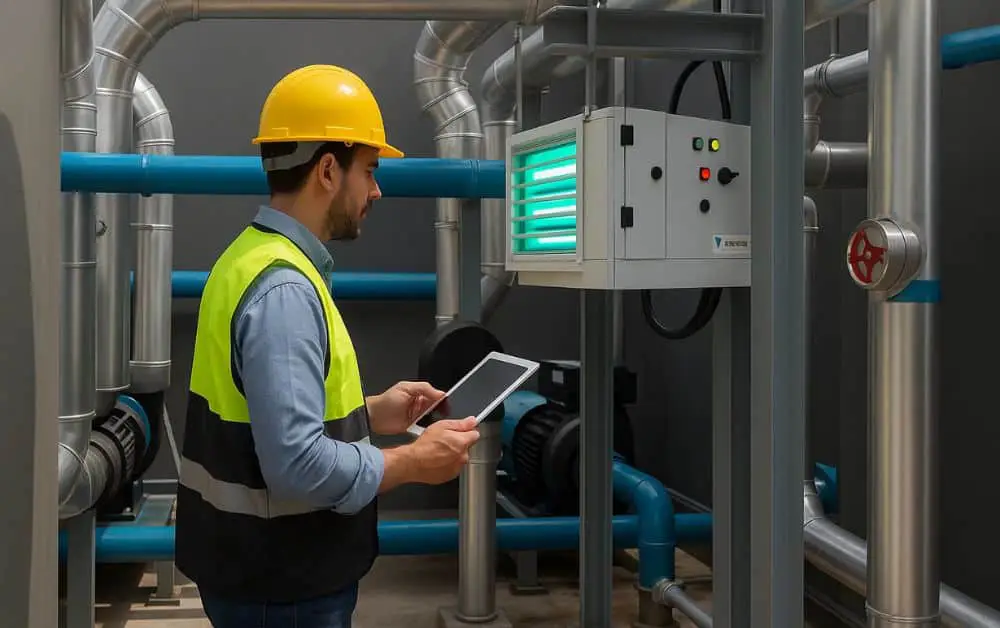
Heating, Ventilation, and Air Conditioning (HVAC) systems are essential for maintaining comfortable indoor environments in residential, commercial, and industrial buildings. From ensuring efficient airflow to controlling temperature and humidity, HVAC plays a vital role in modern infrastructure. However, the successful design, installation, and maintenance of HVAC systems depend heavily on the expertise of a MEP contractor.
In this article, we’ll explore the importance of HVAC systems, the challenges in installation, and the critical role that an experienced MEP contractor plays in delivering effective and long-lasting solutions.
Understanding HVAC Systems
An HVAC system is more than just an air conditioner or heater. It is a complex combination of components that manage indoor climate and air quality. The key functions include:
- Heating: Providing warmth during cooler months through boilers, furnaces, or heat pumps.
- Ventilation: Ensuring fresh air circulation while removing pollutants, allergens, and excess moisture.
- Air Conditioning: Cooling spaces and regulating humidity levels for comfort and safety.
Given this complexity, installing HVAC systems requires both technical expertise and an understanding of how each component interacts with the building’s structure and electrical framework.
Why HVAC Installation Is Complex
Installing an HVAC system isn’t as simple as placing units in different rooms. It requires precision, planning, and compliance with local building codes. Some major challenges include:
- Load Calculation: Determining the exact heating or cooling capacity required for a building.
- Energy Efficiency: Selecting equipment that reduces energy consumption while delivering maximum performance.
- Space Constraints: Designing ductwork and piping layouts in restricted areas.
- Integration: Ensuring seamless integration with electrical and plumbing systems.
- Maintenance Accessibility: Installing systems in a way that allows easy servicing and repairs.
This is where a skilled MEP contractor comes in.
Role of MEP Contractors in HVAC Installation
A MEP contractor (Mechanical, Electrical, and Plumbing) specializes in integrating the three essential systems of a building. Their role in HVAC installation is critical because HVAC units often overlap with electrical wiring, plumbing lines, and mechanical structures. Let’s break down their responsibilities:
1. Design and Planning
Before installation begins, MEP contractors conduct detailed assessments of the building. They perform load calculations, design ductwork layouts, and choose the right HVAC equipment. Their planning ensures energy efficiency and compliance with safety standards.
2. Mechanical Integration
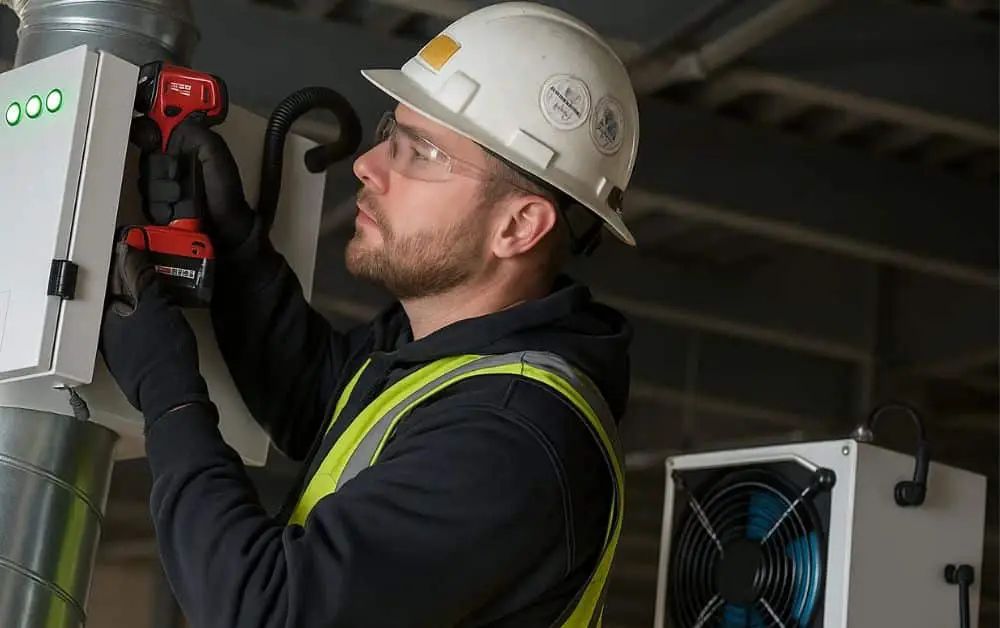
HVAC systems involve mechanical components like compressors, fans, ducts, and motors. MEP contractors oversee the correct placement and installation of these systems, ensuring smooth mechanical operation without disrupting other utilities.
3. Electrical Coordination
Air conditioners, heaters, and ventilation systems require electrical connections for safe operation. MEP contractors manage these connections, preventing overloads or faults that could otherwise damage the system.
4. Plumbing and Drainage Solutions
Many HVAC systems involve plumbing components, especially in chilled water systems or condensate drains. MEP contractors design and install efficient drainage solutions that prevent leaks and water damage.
5. Testing and Commissioning
Once installed, MEP contractors test HVAC systems to ensure they meet performance benchmarks. This includes checking airflow, temperature control, energy efficiency, and safety compliance.
6. Long-Term Maintenance
A reliable MEP contractor also provides preventive maintenance services, ensuring HVAC systems continue performing at their best while extending their lifespan.
Also Read – What Are the Benefits of Hiring a Reputed MEP Contractor?
Benefits of Hiring an Experienced MEP Contractor
Working with an experienced contractor during HVAC installation comes with numerous benefits:
- Accuracy in Load Calculations – preventing underperformance or energy wastage.
- Compliance with Regulations – ensuring systems meet Dubai’s strict safety and energy codes.
- Cost Efficiency – reducing long-term operational and maintenance costs.
- Seamless Integration – avoiding conflicts between mechanical, electrical, and plumbing systems.
- Peace of Mind – knowing that your HVAC system is installed by experts who understand its complexities.
Final Thoughts
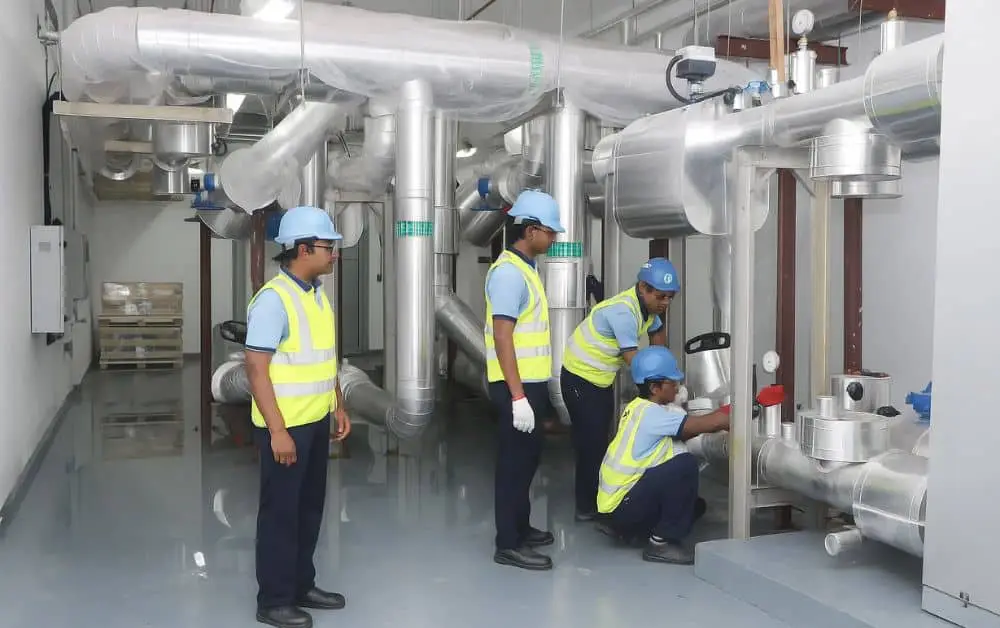
HVAC systems are the backbone of modern buildings, and their proper installation requires more than just technical skill—it requires comprehensive coordination of mechanical, electrical, and plumbing elements. This makes the role of a MEP contractor indispensable.
For those seeking reliability and professionalism, Airody Trading shines as a trusted name in the field. With expertise in HVAC solutions and MEP services, they deliver projects that combine efficiency, safety, and long-lasting performance.