

Does Your Dubai Restaurant Need an Ecology Unit? Requirements Explained
Cooking smoke and grease can travel far – a fact that anyone who has passed a busy grill on a hot evening will know. Those same emissions can pass from one building unit to the next, apartments and corridors within buildings, causing complaints, inspections, and even closure notices. This is why at the planning stage, restaurant owners all over the city are given the same bits of advice: add an ecology unit. This guide explains what the equipment does, when it is typically needed and how to approach approvals, with a focus on choosing a suitable Kitchen Ecology Unit Dubai operators can rely on.
What Is an Ecology Unit?
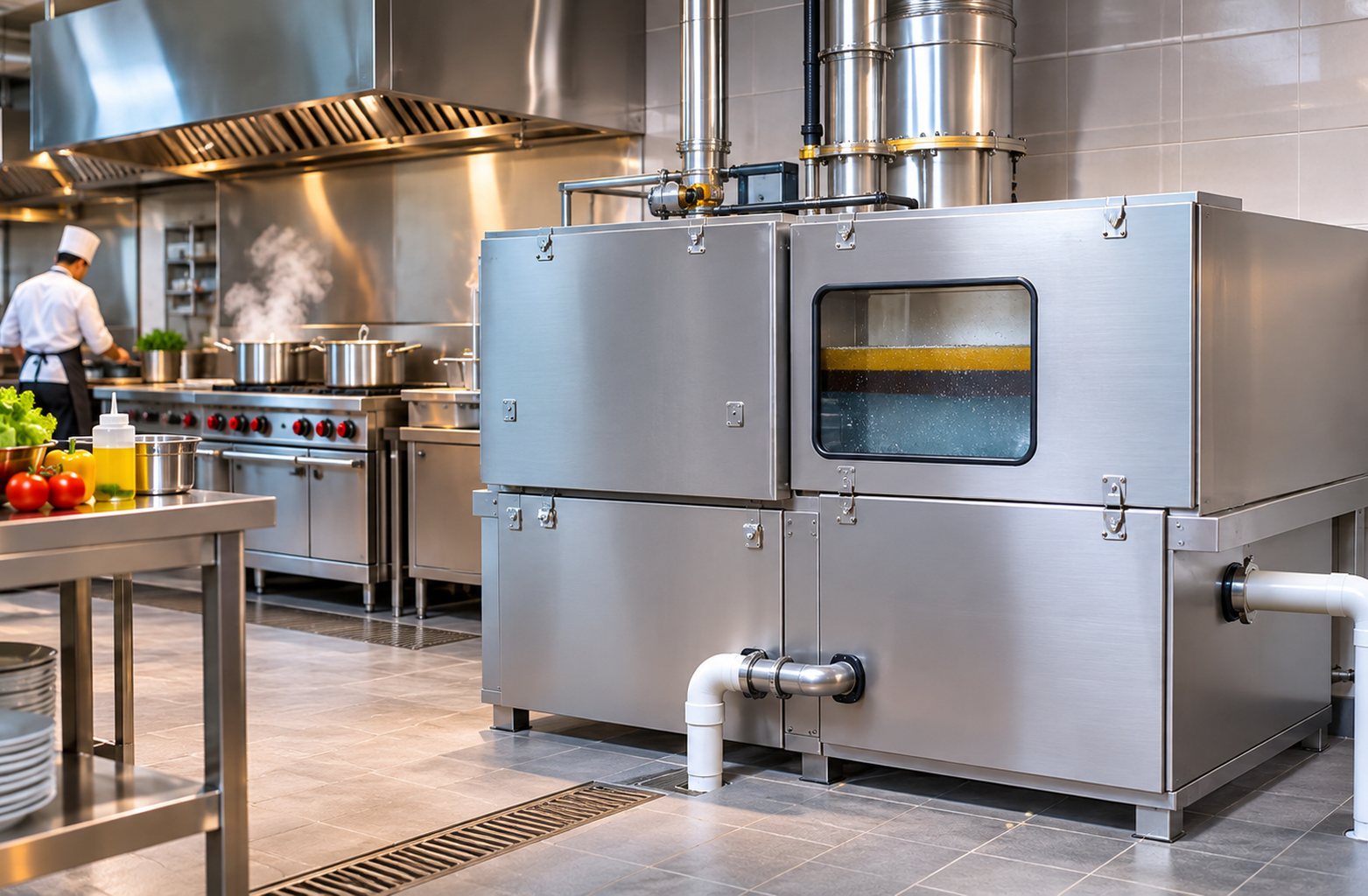
An ecology unit is a filter installed in a commercial kitchen’s exhaust line. Removes air at the point where it is discharged to the exterior or a duct riser. It’s there to filter out the grease particles, smoke and odor so that the discharge isn’t quite as visible. Several stages are available, e.g. mechanical grease filters, electrostatic cells that remove very small particles, and carbon or other media that neutralize odours.
Why Kitchens Need One
During cooking, there is the production of grease-filled vapour, particularly when the heat source used is a tandoor, barbecue, heat source for shisha smoking or a frying pan. If not maintained, grease accumulates in the duct and fans which can be a fire hazard. Smoke and odour may spread to neighbouring property which can adversely affect the relationship between landlords and tenants. These issues are minimized with a properly specified unit and will help ensure compliance with local rules, while protecting the exhaust system.
When Is One Usually Required?
There is no single answer that fits every site, because requirements depend on several factors:
- Location: Restaurants in mixed-use or residential buildings face stricter expectations than standalone sites.
- Type of cooking: Heavy frying, grilling and charcoal or wood-fired cooking produce more smoke and grease.
- Exhaust discharge point: Discharge near windows, walkways or neighbouring units increases scrutiny.
- Landlord or building management rules: Many properties require treatment as a lease condition.
- Authority guidelines: Municipality and civil defence rules for kitchens and exhaust systems may apply.
Because rules and interpretations can change, confirm the current requirements for your specific premises with the relevant authority, your landlord and your MEP consultant before purchasing equipment.
Approvals and Documentation
Kitchen plans including the layout of exhaust and kitchen ventilation is usually assessed during fit out approval. Equipment data sheets, drawings and capacity calculations may be required to demonstrate suitability of the equipment to the airflow and cooking load. Make sure you have records of installation, commissioning and maintenance, they may be required by Inspector or building management.
Key Selection Factors
Airflow capacity. The unit must match the exhaust air volume. An undersized unit restricts airflow and performs poorly, while an oversized one wastes cost.
Cooking type and load. A heavy grill needs stronger grease capture than a light cafe kitchen.
Filtration stages. Check which stages are included and whether odour control is required.
Space and access. Units need room for installation and for cleaning or filter replacement.
Materials and build quality. Stainless steel construction resists heat and corrosion in demanding kitchens.
Noise and energy use. Consider fan loads and any additional power requirements.
Maintenance requirements. Know how often filters and cells must be cleaned or replaced.
Maintenance Matters
No matter how good the gear is, if it’s not cared for, it will break. The greasy filters, electrostatic cells are affected by clogged and dirty media, reducing the airflow and losing efficacy in trapping the odour. Make a cleaning plan depending on the amount of food prepared, have extra filters around, and employ trained personnel to clean. Fire safety is also a reason to have a regular cleaning of the ductwork.
Common Mistakes to Avoid
- Waiting until after fit-out to think about exhaust treatment
- Choosing on price without checking airflow capacity
- Ignoring landlord or building requirements
- Skipping routine cleaning
- Failing to keep maintenance records
Why Consider Airody Trading
Airody Trading works in the air quality and filtration sector in the UAE. A conversation with their team is a practical way to discuss your kitchen layout, exhaust requirements and equipment options. If you are planning a Kitchen Ecology Unit Dubai project, visit their website to learn more and request advice.
Frequently Asked Questions
1. Does every restaurant in Dubai need an ecology unit?
Not necessarily. Requirements depend on the location, the type of cooking, the building and the authority’s guidelines. Many kitchens in shared buildings are expected to have one, so check early with your landlord and consultant.
2. How often should the unit be cleaned?
It depends on usage and the manufacturer’s recommendations. Heavy-cooking kitchens may need frequent cleaning, while lighter ones can go longer. A maintenance provider can set a schedule.
Final Thoughts
Smoke, grease and odour don’t mean much in an ecology unit, and in many kitchens it could just be the difference between smooth operation and frequent complaints. Plan and preorder equipment with correct sizing and maintenance. For many operators, a well-chosen Kitchen Ecology Unit Dubai setup protects the business, the building and the neighbours. This article is general information and not engineering or legal advice, so always follow your authority and landlord requirements.